
,
Wednesday, 14-October
SCIENTIFIC AND THEORETICAL CONFERENCE DEDICATED TO THE 1050th ANNIVERSARY OF RABIA BALKHI
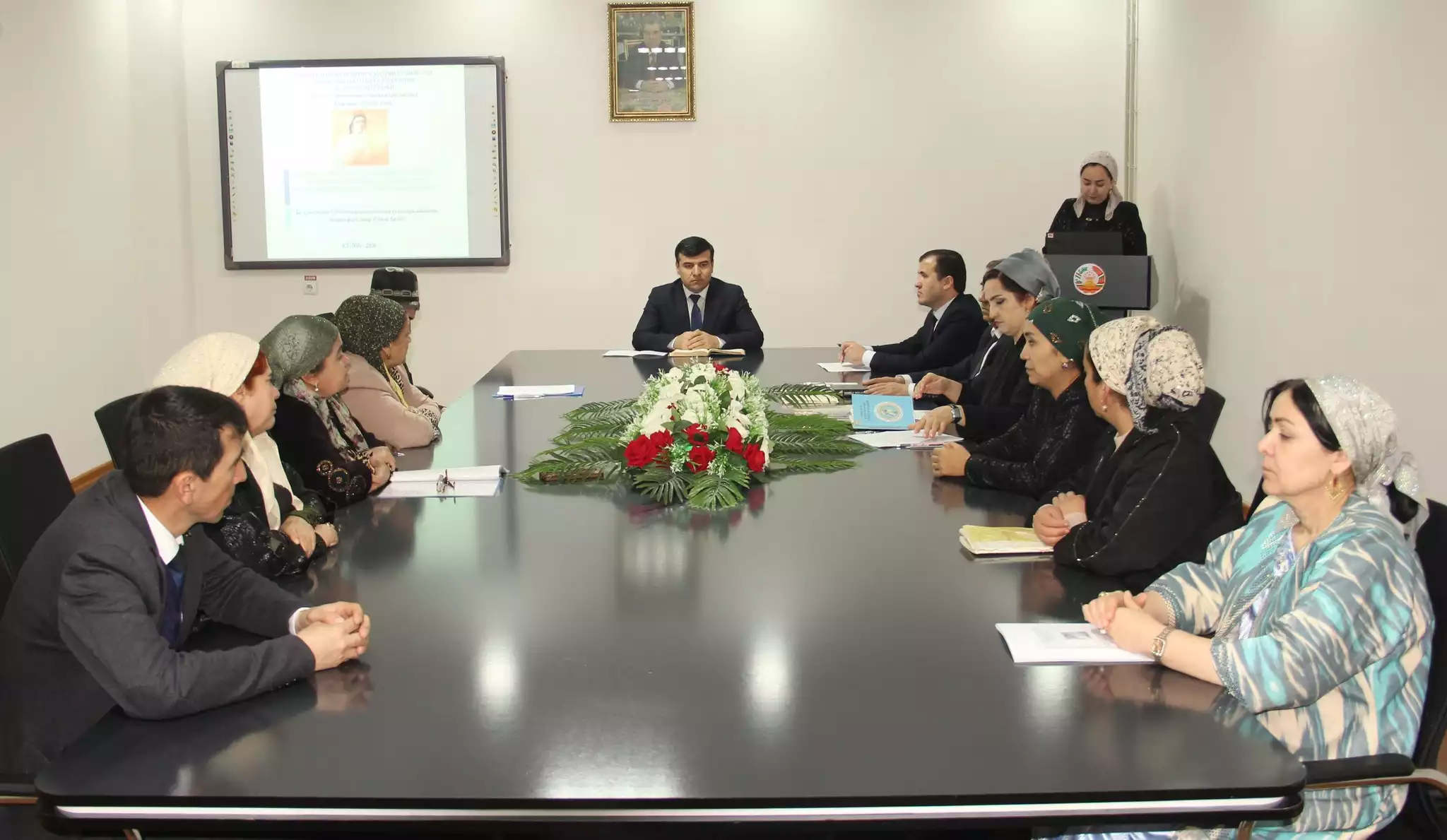
On March 18 of the current year, a scientific and theoretical conference entitled “Rabia Balkhi and the Formation of the Tradition of Women’s Poetic Expression in Tajik-Persian Literature” was held at Kulob State University named after Abuabdullohi Rudaki. The event was dedicated to the 1050th anniversary of Rabia Balkhi, the first female poet of Tajik-Persian literature, and was organized within the framework of the educational policy of the Founder of Peace and National Unity - Leader of the Nation, President of the Republic of Tajikistan Emomali Rahmon. Scholars and researchers participated in the conference.
The conference began with an opening speech by Lutfiya Rasulzoda, Head of the Department of Science and Innovation, who emphasized that literature has always reflected the spiritual life of humanity and embodied the ideals, values, and worldview of nations. In the rich history of Tajik-Persian literature, there are remarkable figures whose exceptional talent and innovative thinking have made lasting contributions to culture and poetry. One of such prominent and historically significant figures is Rabia Balkhi, who holds a special place as one of the earliest female poets and played an important role in shaping the tradition of women’s poetic expression.
Then, Gadomad Zulfiev, Dean of the Faculty of Tajik Philology and Journalism, noted that Rabia Balkhi is rightly considered one of the great poets of the 10th century, and her life and work serve as an example for others.
During the conference, Professor Nodira Ashurova, Doctor of Philological Sciences, delivered a report titled “The First Persian-Speaking Woman Poet,” while Professor Hotam Asozoda presented a report entitled “The Image of Rabia and the Reflection of Her Love in Attar’s ‘Ilahinama’.”
During the discussion, the head of the Department of Tajik Literature, Associate Professor Shamshodi Jamshed, delivered a speech regarding the role and position of Rabia Balkhi in the development and progress of Tajik-Persian literature. He emphasized that Rabia Balkhi, as one of the first female poets of Tajik-Persian literature, made a significant contribution to enriching the literary heritage with her delicate and meaningful creative works.
The presentations highlighted that although only a limited portion of Rabia Balkhi’s literary heritage - slightly more than fifty couplets - has survived to the present day, even these works demonstrate her exceptional talent and high poetic mastery. The preserved poems, including ghazals, quatrains, and individual verses, reflect delicate human emotions, the beauty of nature, and profound ideas expressed in a simple and eloquent language.