
,
Saturday, 24-October
NAVRUZ – THE NEW DAY OF SPRING AND CULTURAL HERITAGE
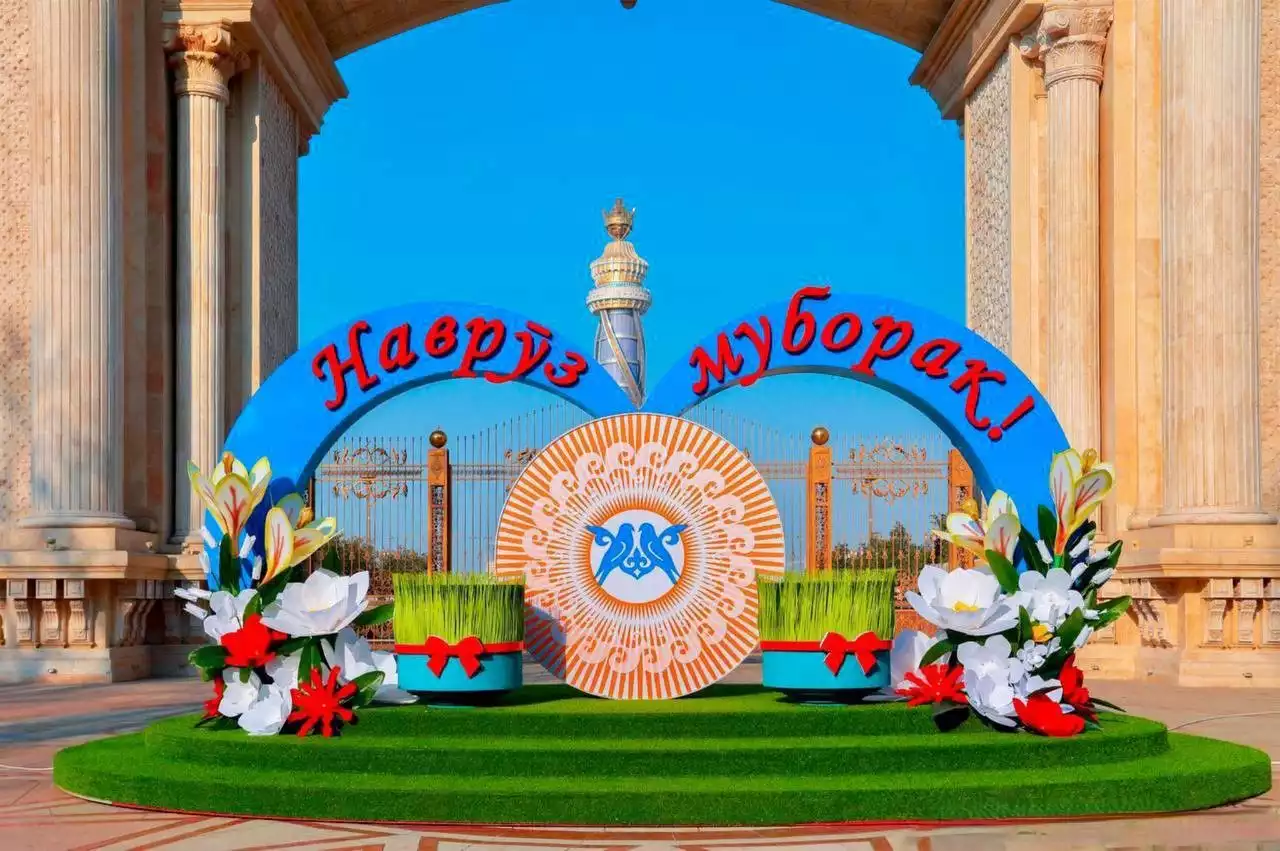
The most joyful and symbolic day of the year in Central Asia is March 21, celebrated as Navruz, the traditional New Year of many peoples of the region. Navruz is one of the oldest and most cherished holidays in Tajikistan. It marks the arrival of spring, the season when nature awakens from its winter sleep and life begins anew. On this day, the length of day and night becomes equal, symbolizing balance, renewal, and harmony in nature.
The word “Navruz” comes from two Persian/Tajik words: “nav” meaning new and “ruz” meaning day, together forming the meaning “New Day.” With the beginning of Navruz, farmers traditionally start their agricultural work, preparing fields and gardens for a new season of growth and prosperity.
This beautiful name and ancient tradition have captured the hearts of many nations that celebrate Navruz. Over centuries, different peoples have embraced the holiday so warmly that each culture considers it part of its own heritage. In reality, however, Navruz belongs equally to all these peoples. Scholars believe that the history of Navruz dates back more than 5,000 years, making it one of the oldest continuously celebrated festivals in human civilization.
Navruz is deeply loved by the people. Celebrations usually begin within families, where relatives gather to share meals and blessings, and later extend to large public festivities organized at the community and national levels. Although customs may differ slightly from region to region, the festive table remains one of the most important symbols of Navruz in Tajikistan.
One of the ancient traditions is arranging the holiday table with seven items beginning with the letter “S” (Haft Sin) and sometimes seven items beginning with “Sh” (Haft Shin). These symbolic foods represent life, prosperity, health, and renewal. In recent years, many communities have revived the authentic customs of Navruz, restoring its original spirit and cultural richness.
One of the most important traditions in Tajikistan is the preparation of the national dish sumanak (also known as sumalak). This sweet dish made from sprouted wheat is cooked throughout the night in a large cauldron. During the preparation, family members and neighbors gather together, singing traditional songs and taking turns stirring the dish. According to tradition, everyone should stir the sumanak at least once. This collective activity symbolizes unity, patience, cooperation, and hope for prosperity in the coming year.
Navruz is also a time of joyful public celebrations. Parks, squares, and open spaces become centers of festivities where people gather to welcome spring. Music, dancing, national games, and traditional performances create a lively and festive atmosphere.
During these celebrations, women and girls often wear beautiful traditional dresses made of atlas and adras silk, which add bright colors and elegance to the holiday. The combination of music, national costumes, and joyful gatherings reflects the rich cultural heritage of the Tajik people.
Navruz brings with it renewal, happiness, family warmth, and hope for a prosperous year ahead. It reminds people of the importance of harmony with nature, respect for traditions, and unity among communities.
Nazirmadzoda Nurmuhammad, Senior Teacher, Department of Linguistics and Comparative Typology Kulob State University named after Abuabdullohi Rudaki